
Relieve Pain & Save Your Natural Tooth
Severe tooth pain can be a sign of infection or deep decay, and if left untreated, it may lead to tooth loss or more serious health complications. A root canal is a safe and effective way to remove the infection, relieve pain, and restore your tooth’s health. At Texas Sedation Dental & Implant Center, we use advanced techniques to ensure a comfortable, stress-free experience, helping you keep your natural teeth for years to come.
If you’re experiencing persistent tooth pain, swelling, or sensitivity, don’t wait, schedule an appointment today for expert evaluation and treatment.
📞 Longview: (903) 704-0154
📞 Tyler: (903) 231-6490
📞 Shreveport: (318) 300-3795
What Is a Root Canal?
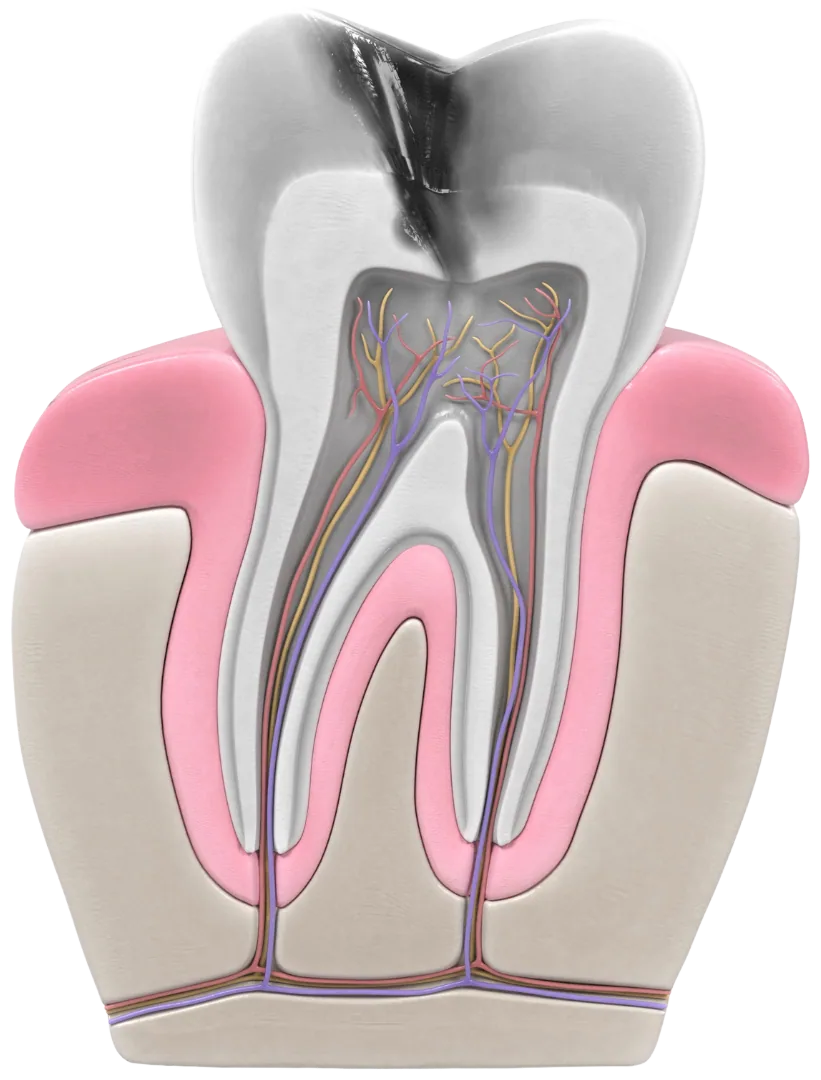
A root canal is an endodontic procedure that removes infected or damaged pulp from inside the tooth, preventing further infection and saving the natural tooth.
With modern technology and sedation options, a root canal is now as comfortable as getting a filling and can often be completed in one or two visits.
- Step 1: Numbing the Area – We apply a local anesthetic to ensure a pain-free experience.
- Step 2: Access Infection – A small opening is made in the tooth to access and remove the infected pulp.
- Step 3: Prep Tooth For Crown – The root canal is cleaned, disinfected, and sealed with gutta-percha, a rubber-like material.
- Step 4: Secure Dental Crown – A dental crown may be placed to restore strength and function to the tooth.
Signs You May Need a Root Canal
If you have any of these symptoms, don’t ignore them, early treatment can prevent tooth loss and more extensive procedures.
- Severe tooth pain that lingers or throbs
- Sensitivity to hot or cold that doesn’t go away
- Swollen or tender gums near the affected tooth
- A recurring pimple or abscess on the gums
- Darkening or discoloration of the tooth
Hear From Our Patients
Real stories from real patients across the ArkLaTex. Hear what it's like to walk through our doors, sit in our chair, and walk back out with the smile they've been waiting for.
Frequently Asked Questions